- Code & Peddle Newsletter
- Posts
- HubSpot Forms Got Smarter This Week
HubSpot Forms Got Smarter This Week
Tighten HubSpot form automation, refresh content with real intent, navigate X’s AI labels, separate CTAs from organic on Meta, and relaunch your site without sacrificing SEO.

Code Peddle
March 03, 2026


Hey there, Digital Marketing Rockstars! 🎸
Manmeet here, this week is all about control: tightening form automation, refreshing content with intent, being honest about AI on social, decoupling CTAs from organic posts, and redesigning sites without wrecking your rankings. The thread running through everything: do less spray-and-pray, more deliberate moves.
In today's email:
1. New HubSpot form automation limits and actions. 📈
2. How to keep content fresh in an AI-saturated world. 🤖
3. X’s new AI content labels for more transparent feeds.💡
4. Meta’s decoupled CTA buttons on boosted posts. 👀
5. A practical SEO checklist for painless site redesigns. 🌐
Marketing Automation

New HubSpot Form Automation Limits: What’s Changed?
HubSpot has expanded what you can do with simple workflows attached directly to forms, adding more available actions and updated limits so you can automate smarter without always jumping into complex workflow builds. These changes make it easier to personalize follow-ups, standardize lead handling, and keep forms fast and conversion-focused even as your database and customer journeys get more complex.
Our Hot Take:
Audit your top 5 forms and replace manual or overengineered workflows with the new form-level automations where it makes sense. Use simple workflows for immediate, predictable actions like assigning owners, setting lifecycle stages, or sending tailored follow-ups and reserve full workflows for multi-branch logic and cross-object journeys. This keeps your automation layer easier to debug and scale.
Content Marketing

Keeping Content Fresh When AI Is Everywhere
With AI tools able to churn out unlimited copy, real results now hinge on clarity, intent, and specificity rather than sheer volume. You’ll see more traction by solving concrete audience problems, tightening titles and intros, and refreshing high-intent pages that already attract visitors instead of endlessly publishing new, generic posts. Strong structure, topical relevance, and truthful, experience-backed messaging are what separate you from AI-generated noise.
Our Hot Take:
Pick 10 pages that actually drive leads or revenue and give them an “AI-era refresh”: sharper titles, clearer intros, updated examples or data, and better internal links. Only after that should you brief on new content. Use AI to help analyse gaps or draft options, but keep humans firmly in charge of the angle, nuance, and proof.
Social Media Marketing / PPC
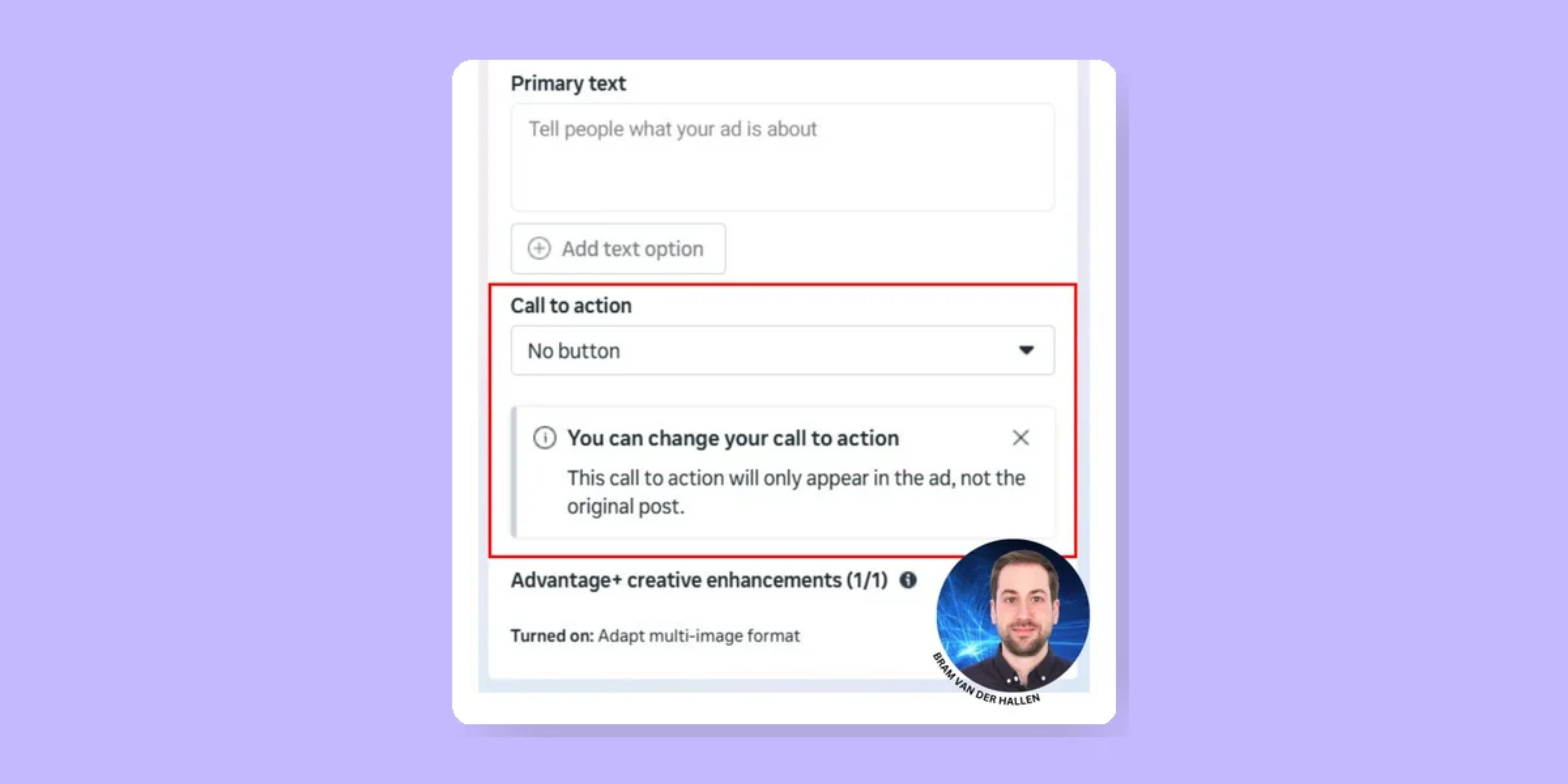
X Rolls Out AI Content Labels To Make Posts More Transparent X is introducing AI content labels that let users mark posts as “synthetically generated,” adding visible badges to AI-assisted text, images, or videos in the feed. The aim is to increase transparency, curb deceptive AI spam, and lay the groundwork for stricter policies where failing to self-label AI-generated posts could eventually break platform rules. | Meta Decouples CTA Buttons From Organic PostsMeta has changed how CTA buttons work on boosted posts: when you add a button in Ads Manager, it now appears only in the ad variant, not on the original Page post. That means you can keep organic content cleaner and more conversational while tailoring CTAs by funnel stage, testing multiple variants, and pushing more direct responses in paid placements. Our Hot Take: |

SEO

Site Redesign SEO Checklist: Protect Rankings Before You Relaunch
A site redesign can easily wreck organic performance if you don’t plan the SEO side carefully. A solid checklist includes benchmarking current rankings and traffic, mapping every important old URL to a new destination, implementing clean 301 redirects, preserving high-authority pages, and validating crawlability and indexation after launch. Done right, you protect existing visibility and even use the redesign as a chance to improve structure and internal linking.
Our Hot Take:
Treat your redesign like migrating a valuable asset, not just changing the paint. Before you brief design, lock in: a URL mapping spreadsheet, a clear redirect plan, and a list of “do not break” pages and templates. Involve SEO early, schedule a pre-launch crawl of staging, and block time for post-launch checks. Fixing issues in week one is far cheaper than recovering from months of traffic loss.
Recommended Readings
This February’s HubSpot product updates are aimed at making everyday work faster, smarter, and more connected across marketing, sales, service, and ops. New features focus on stronger automation, cleaner CRM data control, richer reporting (including social), and expanded Marketplace integrations so teams can streamline workflows without stitching together extra tools. The big picture: fewer manual steps, more context in the tools you already live in, and better ways to plug AI and third-party apps into your existing processes.
LinkedIn is rolling out stronger measures to limit fake engagement from pods and automated commenting tools. Automated, low-quality comments can now be removed from the default “Most Relevant” view, may have their visibility restricted beyond the commenter’s immediate network, and repeat offenders risk having their accounts limited or restricted entirely. The result: vanity engagement becomes less effective, and posts with real conversations and thoughtful responses are more likely to win reach.
Claim Your Platform Audit

Ensure Precision: Secure Your MA Platform Audit Now!
Here’s what you can expect:
Lead Generation and Conversion
Email Marketing Performance
Website and Content Analytics
Lead Management and Nurturing
Customer Relationship Management
Tip of the Week
Pick one “quiet risk” and address it before it bites you: either clean up automation directly on your most important form, schedule a refresh for a top revenue page, or start a simple URL map for any pending redesign. Preventive maintenance now beats emergency fixes later.💡
Summary:
Here’s your quick recap:
Marketing Automation: Use HubSpot’s expanded form automation actions and limits to simplify follow-ups and lead handling at the form level, keeping complex logic in full workflows only where needed. 📈
Content: Refresh your highest-intent pages for clarity, structure, and honesty before you chase new topics. AI is cheap, attention isn’t. 🤖
Social: Get ahead of X’s AI labels by shaping a transparent AI-use policy and workflow; authenticity and clarity will age better than clever shortcuts. 💡
PPC: Take advantage of Meta’s decoupled CTAs to keep organic posts human while testing sharper, stage-specific CTAs in ads. 👀
SEO: Run a rigorous pre- and post-launch checklist for any redesign so you preserve hard-earned rankings and traffic. 🌐
Meme of the Week
