- Code & Peddle Newsletter
- Posts
- New HubSpot Features, Real Impact
New HubSpot Features, Real Impact
Roll out safer HubSpot agents, build trust-first 2026 content, navigate Instagram’s AI overload, fix your Meta Ads reporting, and rethink AI visibility before it skews your strategy.

Code Peddle
January 13, 2026


Hey there, Digital Marketing Rockstars! 🎸
Manmeet here—2026 is already shipping the kind of updates that reward teams who take strategy, trust, and data seriously. From smarter HubSpot agents and AI-ready integrations to clearer content bets, Instagram’s AI reality check, sharper Meta Ads reporting, and hard truths about AI visibility, this week is all about playing the long game with clearer signals.
In today's email:
1. HubSpot’s January updates: smarter agents, stronger security, and AI-ready data. 📈
2. 2026 content trends: strategy, trust, and smart use of AI. 🤖
3. Instagram’s AI content challenges and what “authenticity” means now.💡
4. Meta Ads’ first vs repeat conversion breakdown. 👀
5. 7 hard truths about AI visibility metrics you can’t afford to ignore. 🌐
Marketing Automation

HubSpot’s January 2026 updates: Smarter agents, stronger security, and AI-ready data
HubSpot’s latest release adds Customer Agent working hours, letting teams define exactly when AI agents respond so support can be rolled out gradually and aligned with business hours or custom schedules. New contextual prompt recommendations in Customer Agent automatically surface page-aware prompts in the chat widget, while reCAPTCHA-backed chat flows reduce bot traffic and protect credits. On the RevOps and IT side, reporting on deal split goals simplifies revenue tracking, the MCP Server (Remote) exposes secure, permission-aware CRM data to external AI tools, and a new IP Ranges API helps teams keep firewalls and monitoring synced automatically.
Our Hot Take:
Turn this release into three concrete moves:
Use working hours and reCAPTCHA to pilot agents on narrow use cases without risking support chaos.
Wire contextual prompts to your key conversion pages so the agent surfaces the next best question—or action—by default.
Partner with RevOps/IT to test MCP Server and IP Ranges in a small AI workflow (like a custom reporting or enrichment helper), making sure governance is baked in from day one.
Content Marketing

Content marketing trends 2026: Strategy, trust, and smart use of AI
2026 content leaders are prioritising clarity, trust, and audience relevance over sheer volume or novelty. AI is used as a strategic partner across research, planning, repurposing, and optimisation, but humans still own narrative, judgement, and originality to avoid generic output that fails to build authority. Short-form video, interactive formats, communities and UGC, newsletters, and first-party data-driven personalisation are becoming the backbone of sustainable, human content ecosystems.ruchemarketing+1
Our Hot Take:
Stop asking “How much can we publish?” and start asking “What can we publish that people will rely on?” Build a lean content spine: one or two core themes, supported by deep pillar pieces, turned into short-form, interactive, and community-driven formats. Let AI handle analysis and repurposing, but keep humans firmly in charge of point of view and trust.
Social Media Marketing / PPC
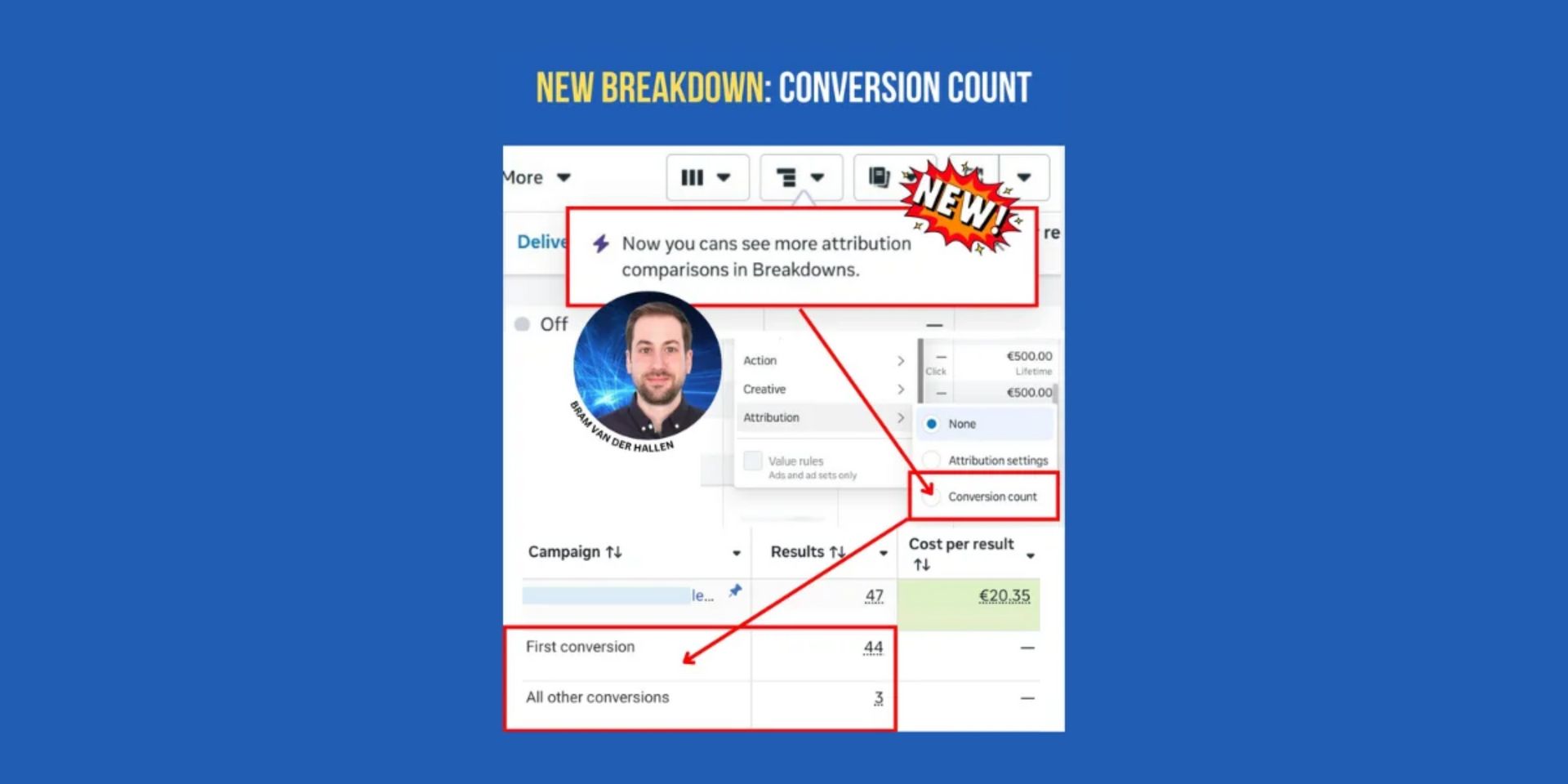
 Instagram’s AI reality check: Authenticity, labels, and the flood of synthetic content Instagram chief Adam Mosseri is openly acknowledging that as AI-generated content becomes almost indistinguishable from real media, “authenticity” can now be infinitely reproduced, weakening traditional trust cues in the feed. Instagram plans to lean more on AI labels, verifying authentic content, surfacing credibility signals about who’s posting, and improving ranking for original creators—even as Meta continues to invest heavily in AI creation tools. | Meta Ads rolls out clearer first vs repeat conversion reportingMeta Ads’ new Conversion count breakdown separates “First conversions” from “All other conversions” within a single attribution window, showing two rows at campaign, ad set, and ad level. This makes it far easier for ecommerce, lead gen, and subscription advertisers to see whether campaigns are driving true net-new customers or mostly repeat actions from existing audiences Our Hot Take: |
SEO
7 hard truths about AI visibility metrics marketers can’t ignore
AI search is expanding overall discovery rather than simply killing traditional Google traffic, but its non-deterministic answers make rankings-style metrics unreliable. Prompt “volumes” are modeled estimates, off-site brand signals and mentions increasingly matter, and chasing AI citations without a solid SEO foundation can actually reduce traffic and impact.
Our Hot Take:
Treat AI visibility as a layer on top of, not a replacement for, strong SEO and brand fundamentals. Anchor your measurement in outcomes you can trust: organic traffic from Google, branded search growth, engagement on key pages, and conversion paths. Experiment with AI surfaces, but don’t let vanity “AI metrics” distract from the channels that are still driving most of your pipeline.
Recommended Readings
AI-driven search and answer engines continue to grow, but most sites still receive the bulk of their traffic from traditional Google organic results—not LLM platforms. Teams chasing AI-specific tactics too early risk missing easier wins available through tightening title tags, refreshing authoritative content, and improving on-site experience and conversion paths.
Google’s new Gemini 3 Flash model delivers up to three times faster performance than Gemini 2.5 Pro while matching much larger systems on reasoning and multimodal benchmarks. Now the default in the Gemini app, it can interpret and generate across text, images, video, and audio while powering agent-like experiences such as deep research, app creation, and smart shopping or workflow assistance.
Claim Your Platform Audit

Ensure Precision: Secure Your MA Platform Audit Now!
Here’s what you can expect:
Lead Generation and Conversion
Email Marketing Performance
Website and Content Analytics
Lead Management and Nurturing
Customer Relationship Management
Tip of the Week
Pick one asset in each area—one workflow, one article, one video, one ad group, one key landing page—and give it a “final 2025 upgrade” using this week’s tools and insights. Small, focused improvements across the stack will compound nicely as 2026 kicks off.💡
Summary:
Here’s your quick recap:
Marketing Automation: Use HubSpot’s January updates to roll out smarter, safer customer agents and connect CRM data into AI workflows without losing control. 📈
Content: Build 2026 strategies around clarity, trust, and relevance, using AI as a partner—not a shortcut—across a focused, human content ecosystem. 🤖
Social: Plan for an AI-saturated Instagram by doubling down on verifiable human presence, original creators, and transparent identity. 💡
PPC: Use Meta’s first vs repeat conversion breakdown to align optimisation with either net-new acquisition or total revenue—on purpose. 👀
SEO: Ignore hype-only AI visibility metrics and keep your eyes on fundamentals, brand signals, and measurable business outcomes. 🌐
Meme of the Week
